


Introduction
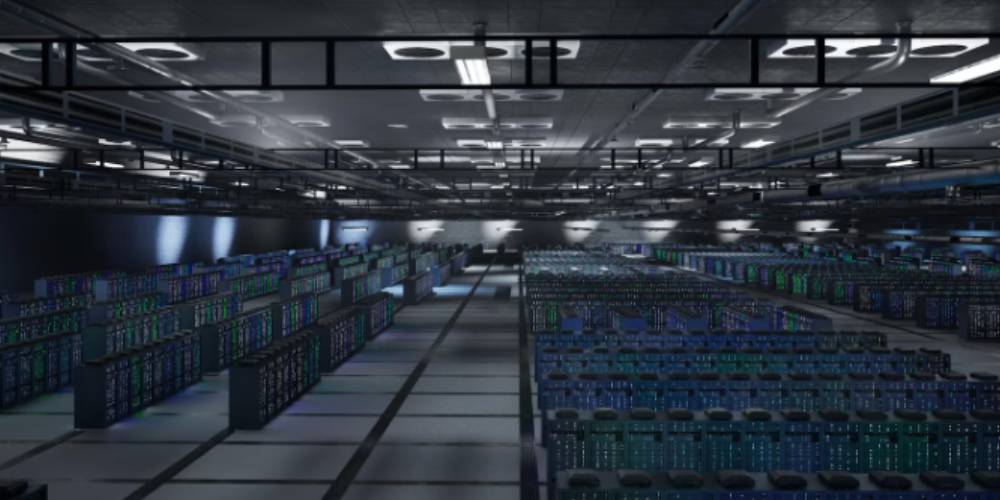
AI Data-Center Cooling is becoming a major concern as the AI boom accelerates worldwide. Global AI and cloud demand has surged, stressing traditional data-centre cooling systems. Overheating and energy strain threaten AI infrastructure efficiency. Traditional air-cooling methods are insufficient for dense AI hardware, prompting operators to adopt liquid-cooling, heat recycling, and innovative thermal management. Efficient AI Data-Center Cooling ensures stable operations, reduced downtime, and lower energy costs. Additionally, it supports sustainable data-centre growth. Companies worldwide are exploring these solutions to meet the next wave of AI deployment while maintaining optimal performance and energy efficiency.
“Efficiency is doing better what is already being done.” – Peter Drucker
Rising Heat Challenges in AI Data Centers
The growing density of AI servers is increasing thermal loads rapidly. As a result, traditional cooling methods struggle to maintain optimal temperatures. Inefficient cooling can degrade performance, cause hardware failures, and raise operational costs. Therefore, AI Data-Center Cooling innovations are crucial for reliable AI infrastructure.
Liquid cooling, immersion techniques, and advanced heat exchangers are becoming essential. These methods remove heat more efficiently than conventional air systems. Moreover, energy-efficient cooling reduces overall carbon footprint and operational expenses. As AI workloads grow, these solutions enable data-centres to scale sustainably. Businesses deploying AI applications benefit from reduced latency and uninterrupted service due to improved thermal management.

Energy Efficiency and Sustainable Cooling
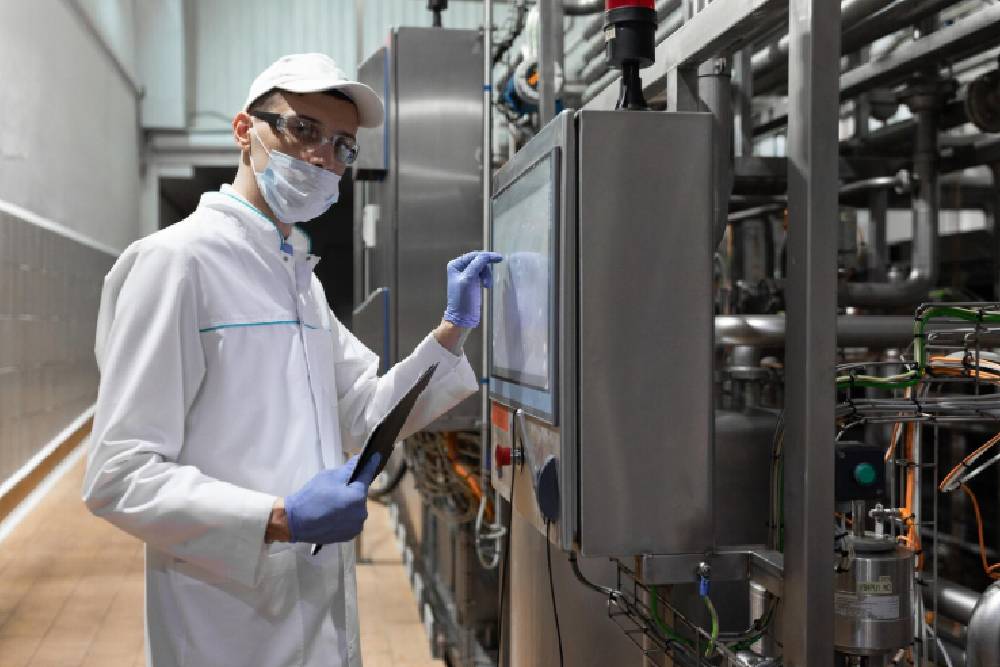
AI Data-Center Cooling is critical for improving energy efficiency. Data-centres consume massive amounts of electricity for both computation and cooling. Integrating efficient thermal management systems helps minimize energy wastage and operational costs. By combining liquid cooling and heat-recycling methods, operators can maintain stable environments while reducing power consumption.
Sustainable cooling technologies are also vital for long-term AI infrastructure. Renewable energy integration, intelligent airflow design, and energy-efficient hardware contribute to greener operations. Moreover, sustainable practices enhance corporate responsibility and reduce environmental impact. Companies investing in AI Data-Center Cooling can achieve both economic and ecological benefits, ensuring reliability while supporting global energy-saving initiatives.
Advanced Liquid-Cooling Solutions
Liquid cooling is emerging as a leading solution for AI Data-Center Cooling. Unlike air-cooling, liquid systems transfer heat directly from servers, improving efficiency and reducing energy requirements. This method also supports high-density AI deployments without performance loss.
Immersion cooling allows servers to be submerged in thermally conductive fluids. This approach drastically reduces overheating risks while maintaining optimal operating temperatures. Furthermore, integrating heat-recycling systems can repurpose waste heat for facility operations or district heating. By adopting these innovative cooling solutions, AI infrastructure can meet increasing computational demands without compromising reliability or sustainability.
Planning and Future-Ready Data-Center Design
AI Data-Center Cooling requires strategic planning during data-centre design. Operators must consider thermal loads, airflow patterns, and cooling redundancy to maintain continuous operations. Modern facilities integrate predictive monitoring and AI-assisted cooling management for efficiency.
Future-ready designs also emphasize modular and scalable architectures. As AI demand grows, these data-centres can expand cooling capacity quickly and cost-effectively. Additionally, incorporating energy-efficient practices and liquid-cooling infrastructure ensures long-term operational stability. Ultimately, proactive planning allows businesses to maximize AI infrastructure performance while minimizing downtime and costs.
Conclusion
AI Data-Center Cooling is a critical component of modern AI infrastructure. As computational demand increases, traditional air-cooling methods are insufficient. Advanced liquid cooling, thermal management, and energy-efficient systems provide sustainable solutions. Proper planning, innovative design, and scalable infrastructure ensure AI workloads operate efficiently. Companies investing in AI Data-Center Cooling gain reliable, high-performance operations while reducing energy consumption. Additionally, these innovations support environmental sustainability and long-term growth. By addressing heat challenges, organizations can harness AI’s full potential and maintain uninterrupted service for SaaS hosting, cloud computing, and enterprise applications.
Visit and stay connected with us: Linkedin
To know more about our related services: Web App Development