


Introduction
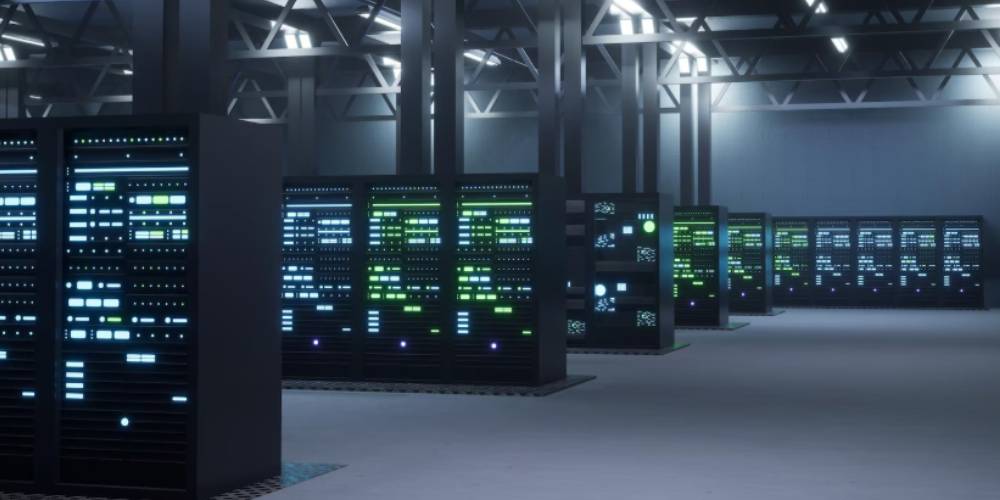
Data-Center Thermal Innovation drives safe, efficient, and scalable AI operations as global workloads grow. AI models demand high processing power, and this load produces intense heat. Without strong thermal management, systems slow down and energy use rises. As a result, data centre cooling becomes a priority for every organisation that relies on AI infrastructure. Many firms now explore sustainable tech to manage this heat while reducing long-term operational costs.
“Innovation distinguishes between a leader and a follower.” — Steve Jobs
The Rising Pressure on AI Infrastructure
AI workloads continue to grow as more firms adopt large models. These workloads generate significant heat, which affects hardware stability. As demand rises, data centres must adapt faster than ever. Hence, many businesses prioritise new thermal management methods to stay competitive.
Furthermore, AI infrastructure now relies on dense GPU clusters. These units run complex algorithms, which produce more heat compared to traditional servers. Because of this shift, older cooling methods no longer meet operational needs. Therefore, Data-Center Thermal Innovation becomes a strategic investment rather than a support function.
Why Modern Data Centres Need Better Cooling Systems
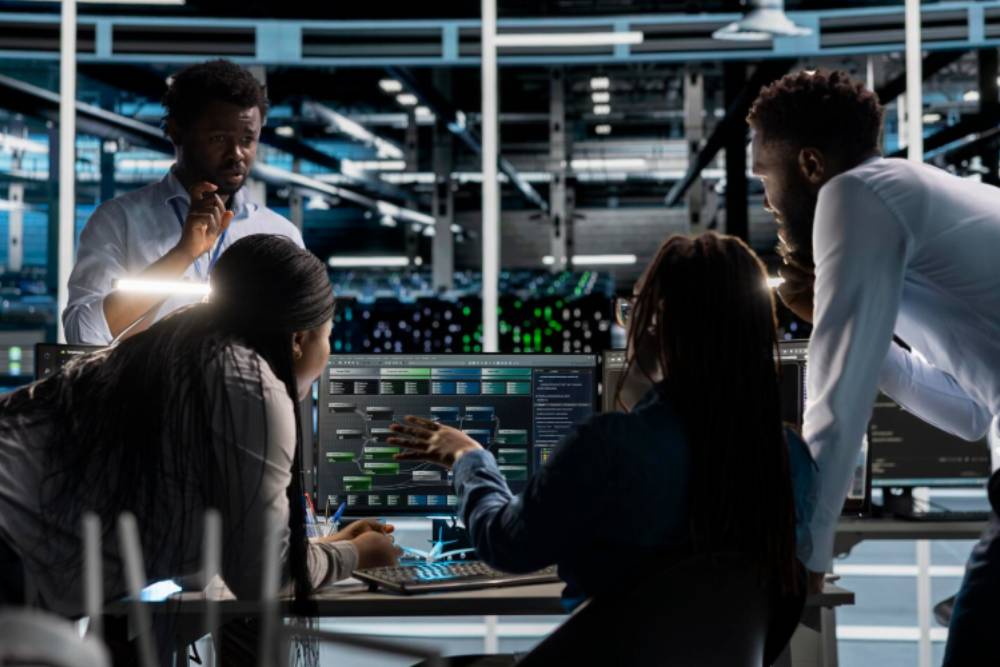
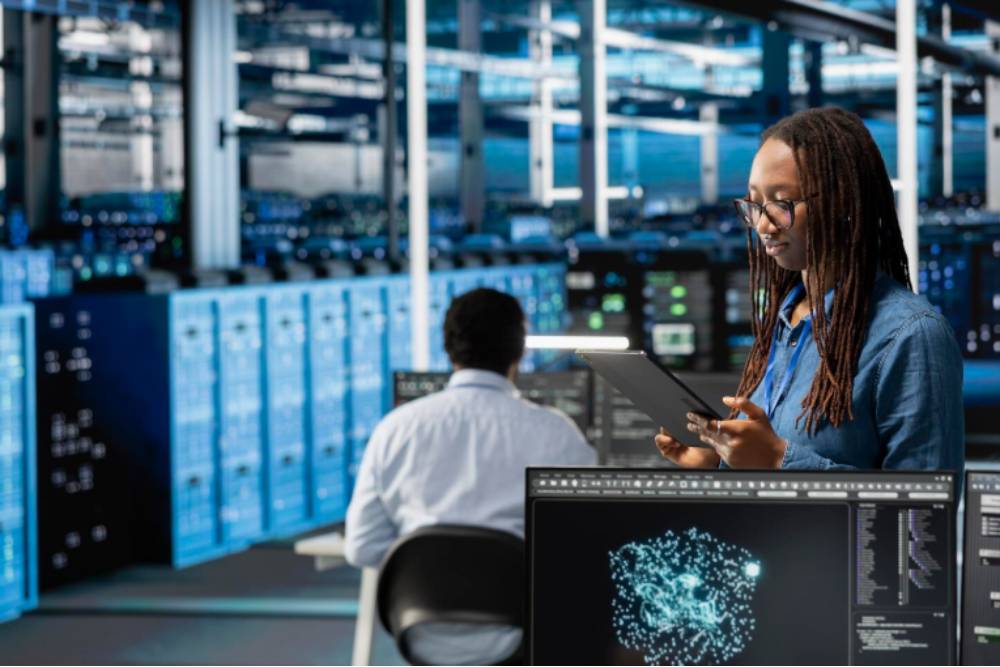
Data centres process billions of operations per second. Consequently, hardware temperatures rise quickly. When systems overheat, performance drops and power use increases. This creates operational risks for firms that depend on real-time AI insights. To solve this, new data centre cooling systems focus on stable airflow and efficient heat removal.
In addition, many centres now seek energy efficiency due to rising power costs. Cooling consumes a major share of total energy. With better technology, centres reduce power waste and lower emissions. As organisations shift to sustainable tech, innovative cooling becomes essential. Therefore, Data-Center Thermal Innovation supports both performance and environmental goals.
The Shift Towards Sustainable Tech in Cooling
Energy efficiency remains a priority for global tech leaders. As climate concerns grow, firms adopt sustainable thermal methods. These include liquid cooling, immersion cooling, and heat-reuse systems. These solutions use less power while managing heavy AI loads effectively. As a result, they help firms meet green standards without sacrificing output.
Moreover, governments now encourage energy-efficient infrastructure. This pressure motivates operators to upgrade their systems. Many companies also see sustainable cooling as a long-term cost benefit. Consequently, Data-Center Thermal Innovation shapes future investment decisions across industries.
New Opportunities for Startups and Investors
AI infrastructure needs rapid development, and this trend opens new business opportunities. Startups can build niche solutions in thermal management and data centre cooling. Investors now view this sector as a growing market with strong future demand. Firms entering this field gain a strategic advantage due to rising AI adoption worldwide.
Additionally, facility-management companies now expand their services. They design cooling solutions that support AI infrastructure and deliver energy efficiency. Many clients also seek consulting for sustainable tech. Therefore, new entrants gain steady demand as digital transformation accelerates.
Conclusion
Data-Center Thermal Innovation now stands at the centre of global AI progress. Modern cooling supports dense GPU workloads while reducing operational risk. Moreover, it enables better energy efficiency, which aligns with global sustainability goals. As organisations adopt advanced AI infrastructure, they need cooling systems that scale without heavy power waste. This shift also opens opportunities for startups and investors to create new solutions in thermal management. Because technology evolves quickly, firms that embrace efficient cooling gain long-term stability. Effective thermal methods now guide strategic growth and support the next era of intelligent computing.
Visit and stay connected with us: Linkedin
To know more about our related services: Web App Development